
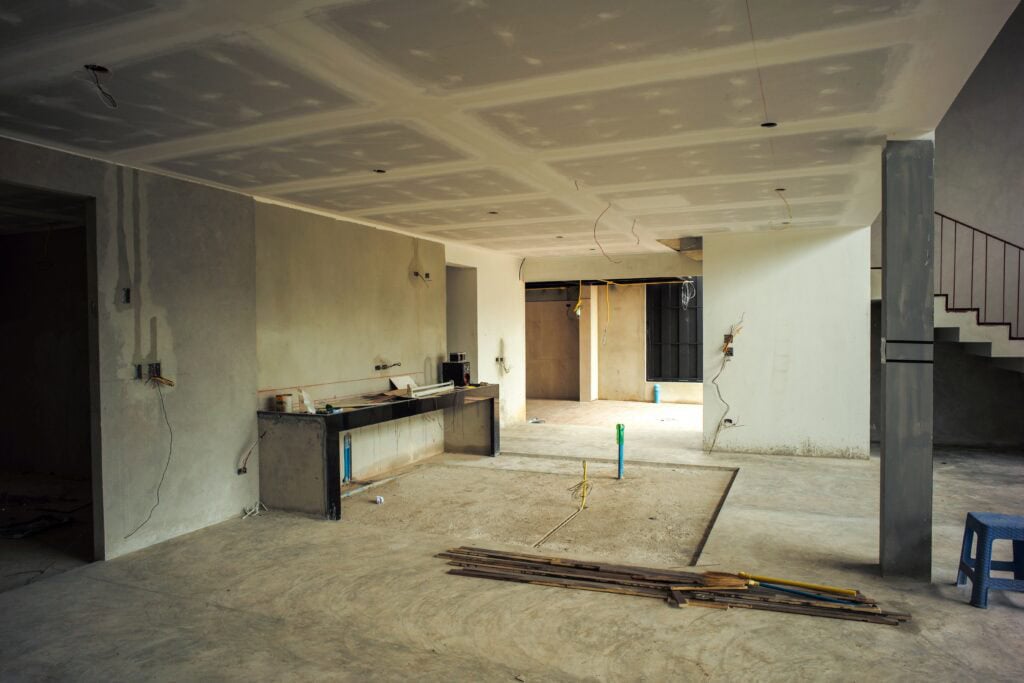
Finishing a basement is one of the most valuable investments a homeowner can make, but it is also one of the easiest projects to get wrong. The mistakes that happen below grade tend to go unnoticed until they become expensive, and by then, walls are already up, and floors are already down. Understanding what can go wrong before you start is the difference between a basement you love and one that drains your budget for years to come.
Skipping Proper Waterproofing
Water is the number one enemy of any finished basement, and the most costly mistake homeowners make is assuming their basement is dry enough to finish without addressing moisture first. A basement that stays dry during ordinary weather can still allow water vapor to pass through concrete walls and floors, which leads to mold growth, wood rot, and ruined drywall over time. Many homeowners skip a proper waterproofing assessment because the space looks and feels dry, only to discover the problem after thousands of dollars in finishes have already been installed. The warning signs are often subtle at first: a faint musty smell, small efflorescence deposits on the concrete, or condensation on walls during humid months, but they are telling you something important that should be addressed before a single nail goes in.
The right approach involves more than painting on a waterproofing product from a big box store. Depending on the basement, a contractor may recommend interior drainage systems, exterior waterproofing membranes, or sump pump installation before a single stud gets framed. Grading issues around the foundation, failed window-well drains, and clogged gutters that direct water toward the house are all external factors that need to be resolved first. Bail Home evaluates moisture conditions as part of the basement finishing process so the finished space holds up as it should, rather than becoming a repair project down the road.
Getting Insulation Wrong
Insulation in a basement is not the same as insulation in the rest of your home, and treating it like it is can lead to serious moisture and mold problems. Many homeowners install fiberglass batt insulation between studs, framed directly against a concrete wall, not realizing that concrete is vapor-permeable and will allow moisture to condense right where the insulation sits. That trapped moisture creates the perfect conditions for mold, and by the time you smell it, the damage is already done inside the wall cavity. This is one of the most common mistakes contractors see when they are called in to fix a basement finished by a less experienced crew or a well-meaning homeowner following outdated advice.
Rigid foam insulation installed directly against the concrete wall is generally recommended for basement exterior walls because it serves as both a thermal barrier and a vapor retarder. The framing is then installed in front of the foam, keeping the wood away from the cold concrete surface where condensation is most likely to form. The total R-value needed will depend on your climate zone, and in northern Indiana, getting that number right matters because winters are long and the temperature differential between conditioned space and a concrete wall is significant for months at a time. Getting this detail right from the start adds very little to the project cost compared to tearing out finished walls and starting over after mold has developed.
Underestimating Lighting Needs
Basements have no natural light to fall back on, which means the lighting plan carries the entire load. Homeowners frequently make the mistake of installing too few recessed fixtures or placing them without a real plan, leaving finished spaces that feel dim and uninviting, no matter how nice the finishes are. This is especially common in basements with lower ceilings, where poor lighting placement can make the space feel even more closed in than it actually is. Lighting is one of those elements that is nearly invisible when done well and painfully obvious when done poorly. Because most people are not thinking about it during the framing stage, it often gets addressed as an afterthought.
A well-lit basement requires layered lighting that combines recessed fixtures for general illumination, task lighting for specific areas like a home office or wet bar, and accent lighting to add warmth and dimension to the space. The spacing of recessed cans matters too; fixtures placed too close together create harsh, flat light, while fixtures placed too far apart leave dark pockets that make the room feel unfinished. Electrical work is one of the more difficult things to change after drywall goes up, so the lighting plan needs to be finalized during the rough-in phase before anything gets covered. Taking the time to think through how the space will actually be used and where light is needed for each activity prevents you from living with an underwhelming result that is expensive to correct.
Planning the Layout Without Thinking About Function
One of the most common regrets homeowners have after finishing a basement is realizing the layout does not actually work for how they use the space. It is easy to get excited about the idea of a finished basement and start building without considering practical details like ceiling height clearances around ductwork, where the egress window needs to go for a bedroom to be code-compliant, or how traffic flows between a bathroom, a living area, and any storage that needs to remain accessible. These are the kinds of decisions that seem minor on paper but define how comfortable and functional a space actually feels once you are living in it every day.
Poor layout planning can also mean losing access to things that will always need maintenance, like electrical panels, cleanouts, and HVAC equipment. Framing walls that block access to a shutoff valve or trap a panel behind a fixed partition creates code violations and practical headaches that have to be corrected later at additional cost. A contractor who has finished many basements knows to ask where the mechanical access points are before drawing a single line on a layout plan, and that experience makes a real difference in how the finished product functions over the long term. Thinking through the function of every zone in the basement before framing begins, and working with a contractor who asks those questions from the start, saves both money and frustration once the project is complete.
Trying to Cut Costs in the Wrong Places
Budget pressure is real, and it makes sense to look for ways to keep a basement finishing project on track financially. The problem comes when homeowners cut costs in areas that directly affect the longevity and safety of the finished space. Choosing the cheapest subfloor option, skipping a dedicated bathroom rough-in that would add value later, or hiring an unlicensed contractor to avoid permit fees are decisions that often feel like savings in the short term but create much larger expenses down the road. Permits exist for a reason, and a finished basement that was never inspected can create real complications when it comes time to sell the home.
The smarter approach is to prioritize the structural and mechanical elements of the project and scale back on finishes if needed. A high-quality moisture barrier, properly installed insulation, and a solid electrical plan are worth every dollar because they protect everything built on top of them. Luxury vinyl plank flooring can be upgraded later, but a wall cavity with mold in it cannot be ignored. Working with an experienced contractor from the beginning helps homeowners understand where the budget should be protected and where flexibility actually exists, which leads to a finished basement that holds its value and serves the family well for years to come.
Ready to Finish Your Basement the Right Way?
At Bail Home Services, we have been helping Northern Indiana homeowners finish their basements with the care and craftsmanship that makes the difference between a space you tolerate and one you actually enjoy. If you are ready to turn your unfinished basement into something your family will use every day, then contact us today!